Roof Replacement Cost in 2026: What U.S. Homeowners Should Expect
Roof bids can vary dramatically even for similar homes. Here is how to read the scope, pricing inputs and quote details that matter most in 2026.
- A roof quote should be evaluated by scope, material, tear-off, access, pitch, disposal, permits and warranty — not by total price alone.
- Construction pricing remains dynamic in 2026, making recent local inputs more useful than old national averages.
- A planning range is most useful as a benchmark for asking better questions, not as a substitute for an on-site contractor inspection.
Why roof replacement prices are hard to compare
Two houses with similar square footage can receive very different roofing bids. Roof area is only one variable. Pitch, number of stories, valleys and dormers, removal of old layers, deck repairs, ventilation work, flashing, disposal logistics and material choice can all change the job.
That is why HomeQuoteAudit treats the estimate as a planning range rather than a single promised price. The goal is to create a reference point you can use when reviewing a real contractor proposal.
- Confirm whether tear-off and disposal are included.
- Ask whether damaged decking is priced as an allowance or included in the base bid.
- Compare the exact shingle or roofing system, underlayment, flashing and ventilation scope.
- Check permit, cleanup and warranty language before comparing totals.
The 2026 pricing backdrop matters
Home improvement remains a very large U.S. spending category. Harvard’s Joint Center for Housing Studies expects annual homeowner improvement spending to reach about $518 billion by the end of 2026, even as growth slows later in the year.
Producer prices are also moving unevenly. In the July 2026 Producer Price Index release, the U.S. Bureau of Labor Statistics reported that final-demand construction prices rose 2.2% for the month while the overall final-demand index was unchanged. That does not translate directly into a roof price, but it illustrates why a current pricing model is more useful than a static article written years ago.
How to use a roof estimate without over-trusting it
Use the calculator to establish a reasonable planning range for the information you know today. Then compare the contractor quote against that range and investigate the reason for any large difference.
A quote above the planning range is not automatically unfair. Premium materials, difficult access, structural repairs, expedited work, specialty warranties or unusually high local labor costs can justify a higher bid. The important question is whether those differences are visible in the scope.
- Run the estimate with the closest roof material and complexity level.
- Enter the actual contractor quote when you have one.
- Review the quote-audit questions before signing.
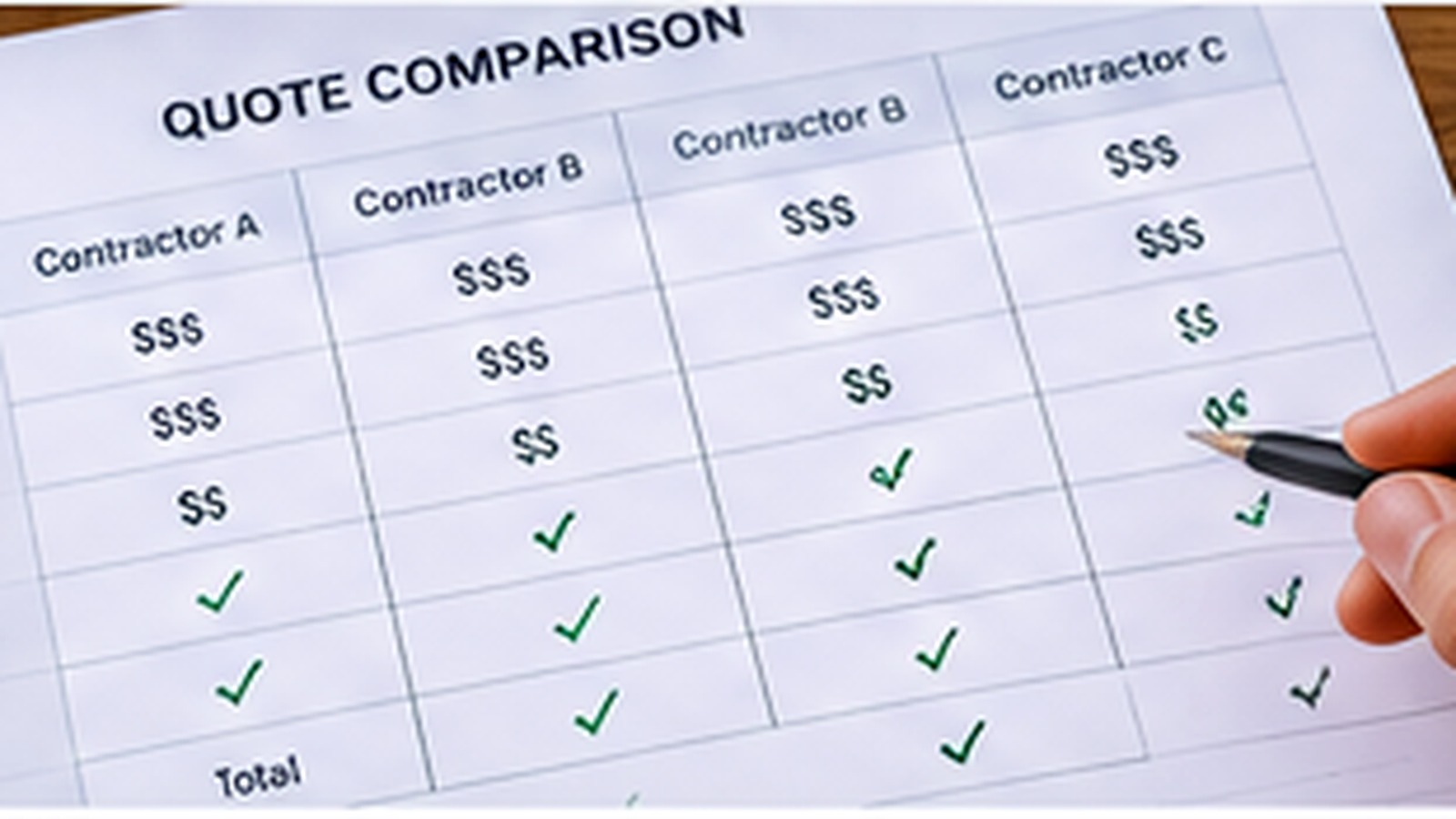
- Get multiple written estimates when practical.
What a strong written roofing estimate should tell you
The Federal Trade Commission recommends getting multiple written estimates for home-improvement work and says a written estimate should describe the work, materials, completion timing and price. That advice is especially useful for roofing because a low headline price can hide exclusions that appear later as change orders.
HomeQuoteAudit is designed to help you compare the economics of the quote. Contractor licensing, insurance, workmanship quality, code compliance and the condition of the home still require separate due diligence.
Sources & methodology notes
Market-level statements in this article use public sources. A HomeQuoteAudit calculator result may use a preliminary model until verified local pricing inputs are available for a project and location.